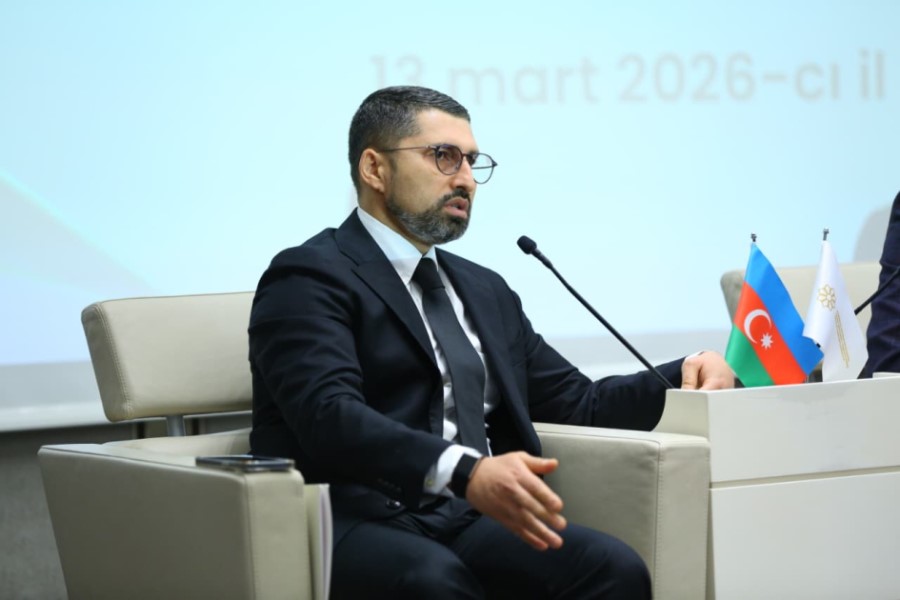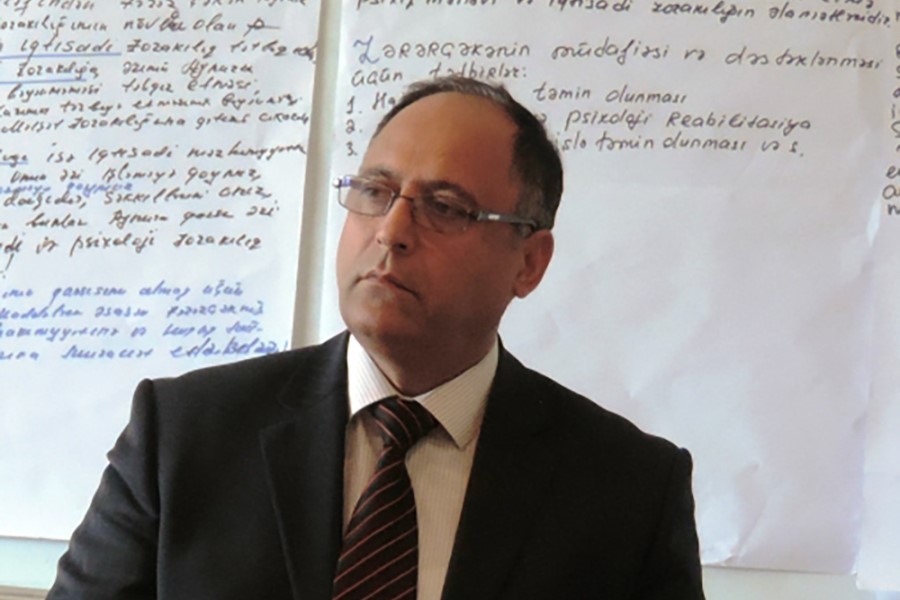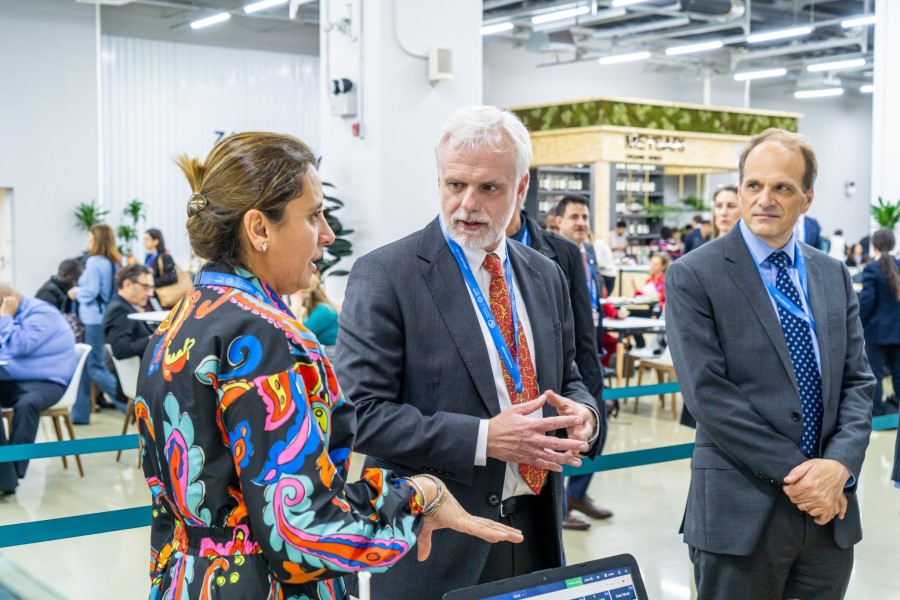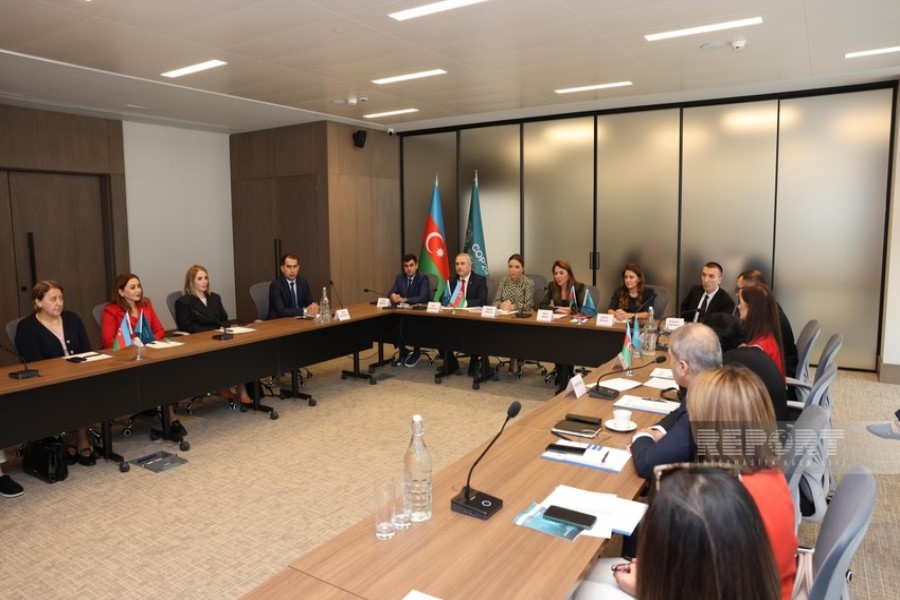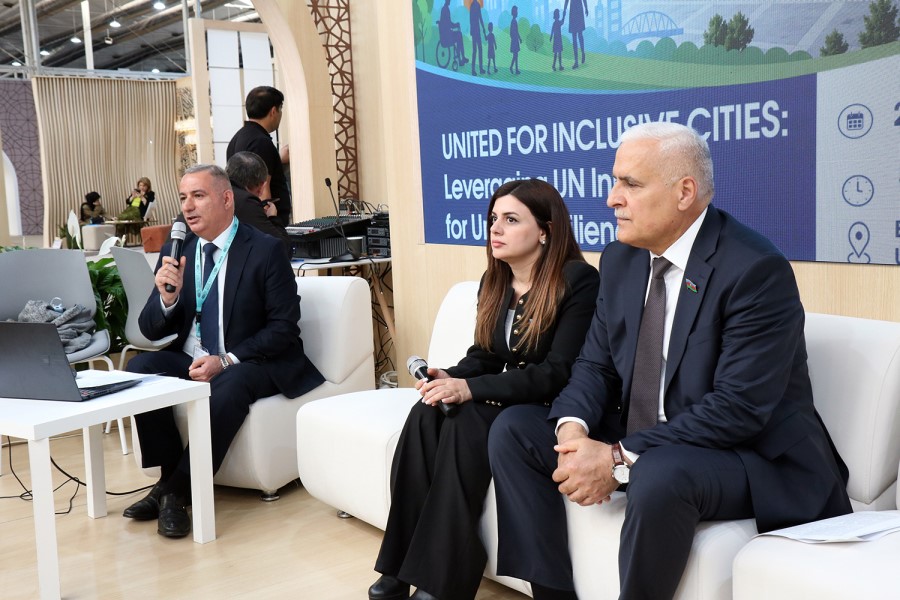
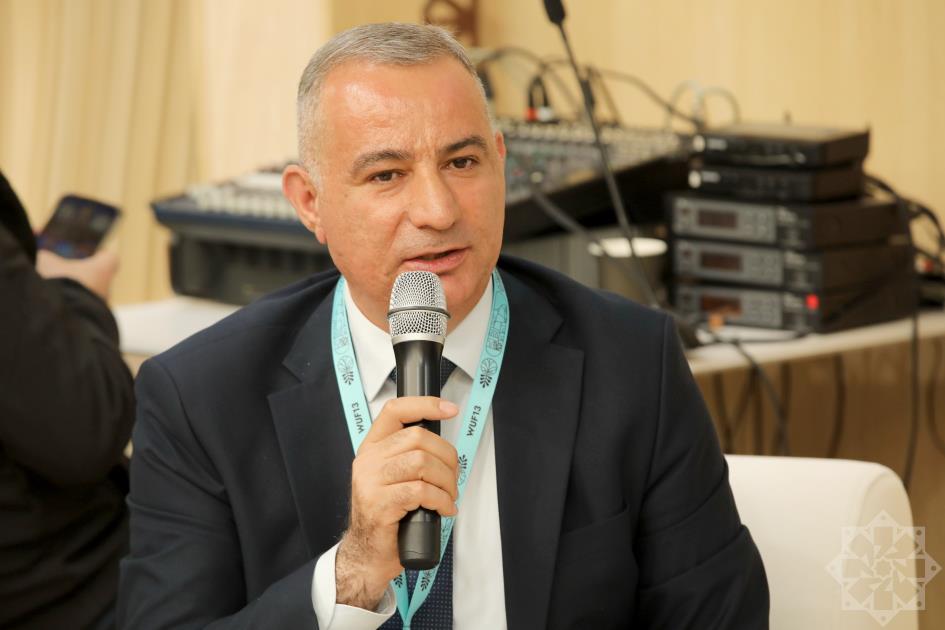
 On May 20, 2026, an event titled “United for Inclusive Cities: Leveraging UN Initiatives for Urban Resilience” was held by the Support for Information and Social Initiatives Public Union at the NGO Agency pavilion within the WUF13 Urban Expo.
QHT.az reports that Jasarat Huseynzade, Chairman of the Support for Information and Social Initiatives Public Union, said in his speech that the purpose of the event was to strengthen dialogue among government institutions, civil society organizations and experts on the implementation of UN initiatives and the Sustainable Development Goals for the development of safe, inclusive and resilient cities, as well as to promote international experience and increase public participation.
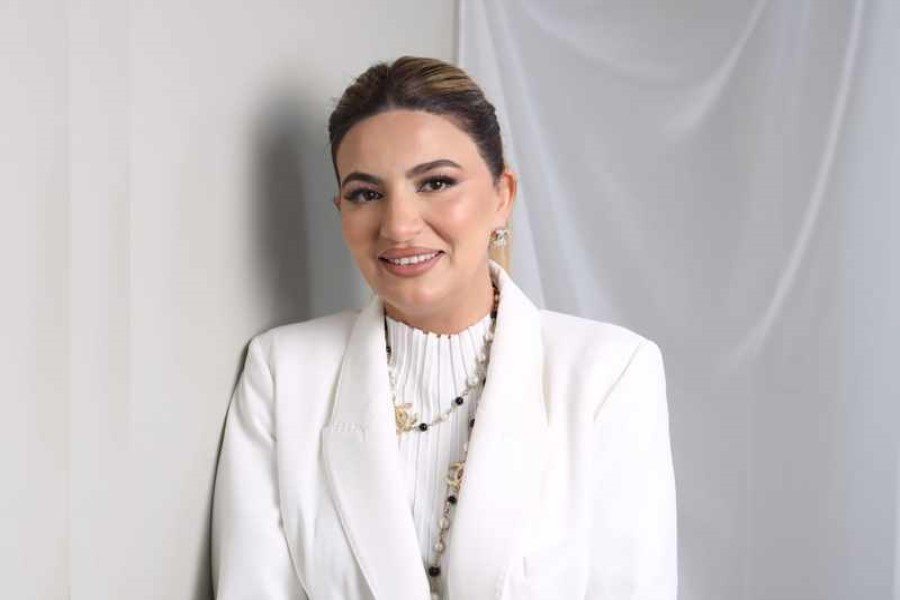
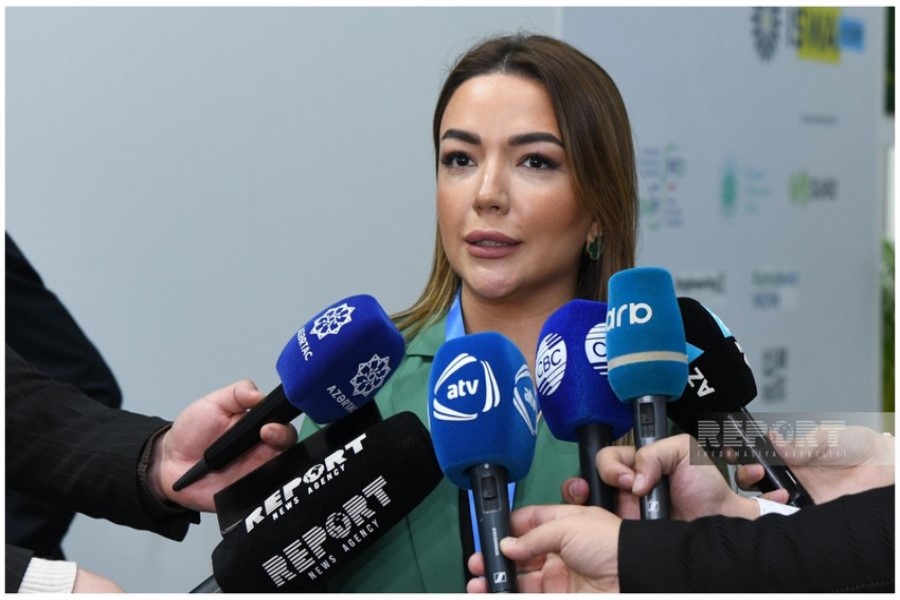
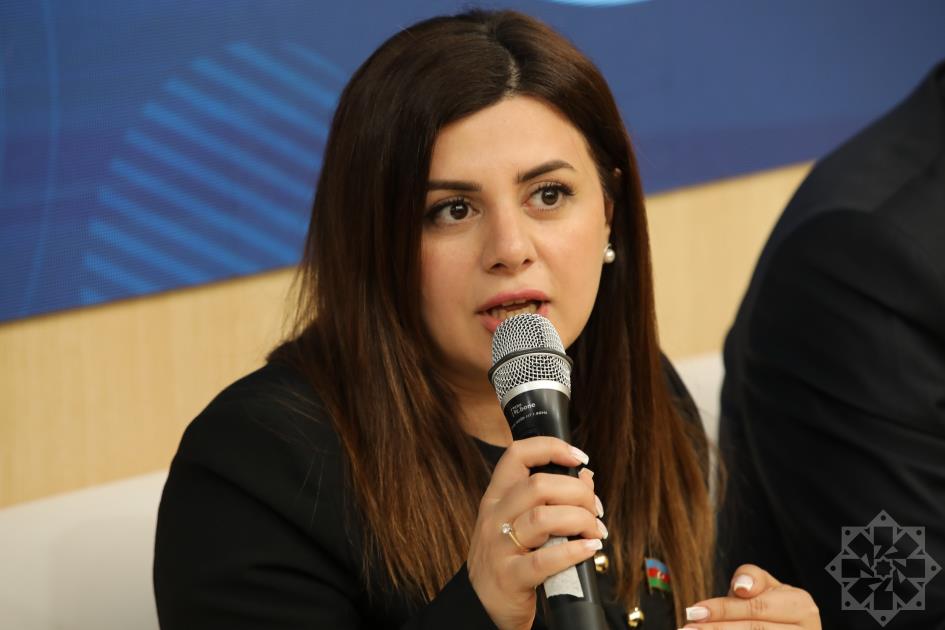 During the panel discussions, Member of Parliament Parvana Valiyeva spoke on the topic “Building Inclusive Cities as a Key Driver for the Implementation of SDG 11.” She noted that urban development policy and planning should serve to improve people’s quality of life. She emphasized that inclusiveness and accessibility must be key priorities so that every citizen, including persons with disabilities, can participate comfortably and equally in the urban environment.
“Our goal is not only to hold discussions, but also to develop concrete proposals. These proposals should contribute to making future cities more resilient, inclusive and livable,” Parvana Valiyeva said.
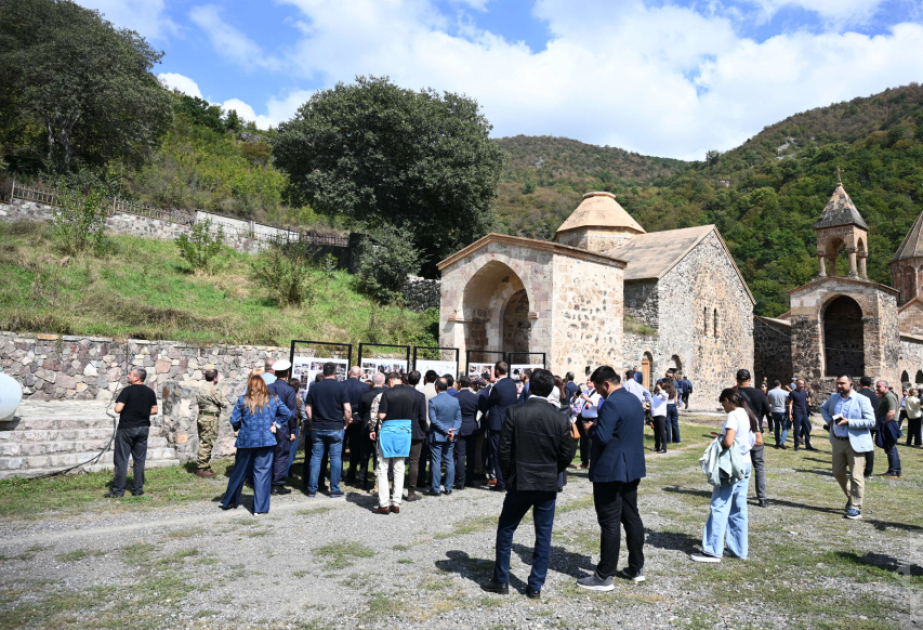
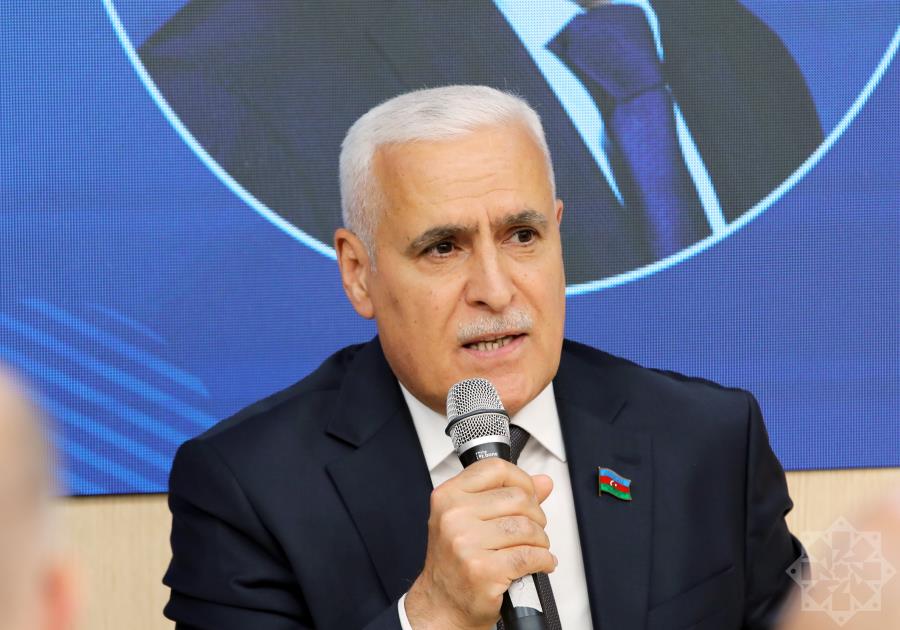 Member of Parliament Vugar Rahimzade noted that Azerbaijan has state programs and development concepts covering all regions of the country. He said that one of the main goals is the safe restoration of the liberated territories and the formation of a modern urban environment in the Karabakh and East Zangezur economic regions.
“Improving the social well-being of the population and raising living standards are also among the priority areas. This approach is an important component of Azerbaijan’s sustainable development strategy,” V. Rahimzade said.
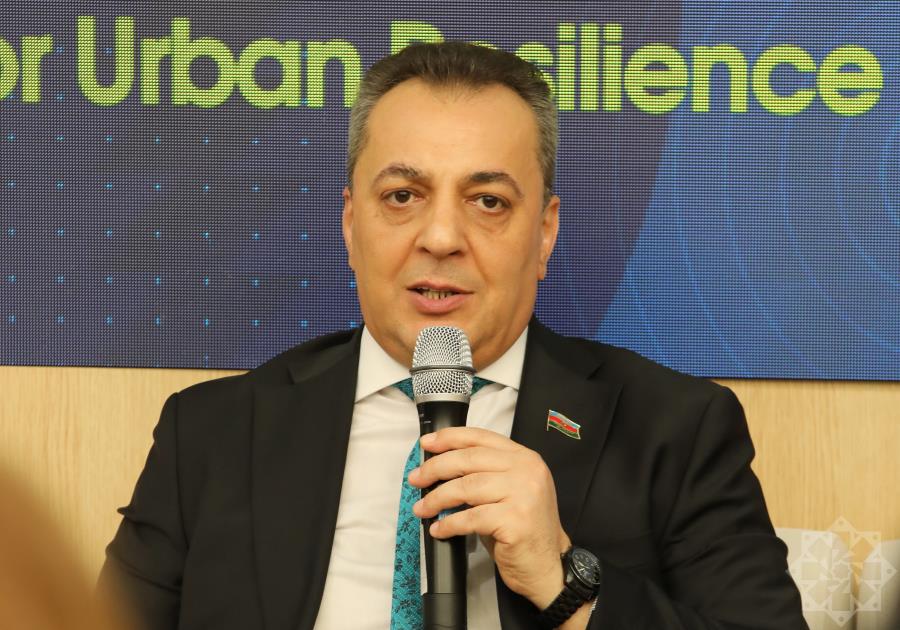 Member of Parliament Vugar Isgandarov emphasized that urban development is a process of continuous change and renewal. He noted that the main goal is to ensure balanced territorial development, preserve harmony between cities and villages, and expand important areas such as greening.
“The large-scale restoration and reconstruction works carried out in the liberated territories of Karabakh and East Zangezur are the clearest example of this model. The projects implemented there are based on inclusiveness, social equality and modern urban standards,” the MP said.
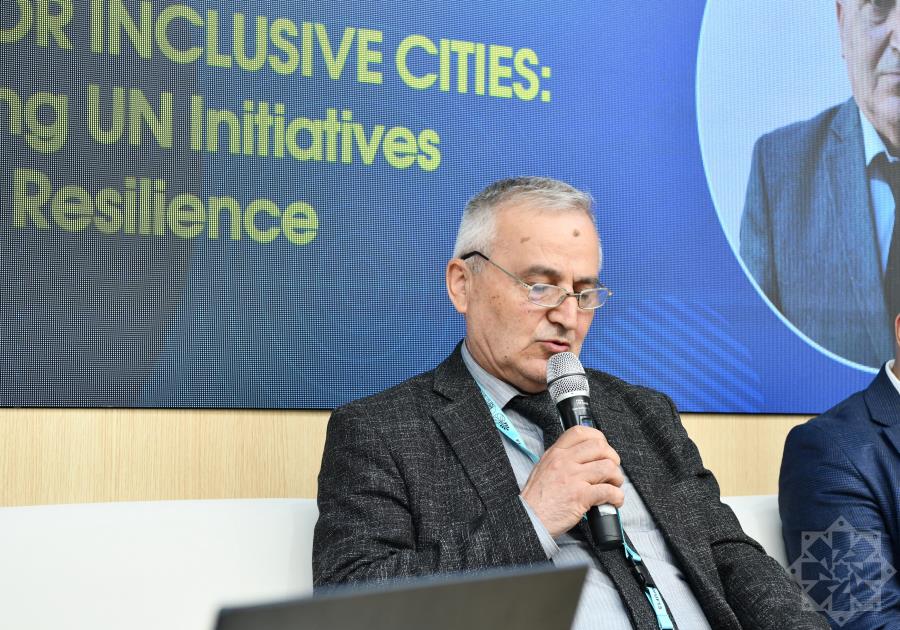 Ismayil Zeynalov, Deputy Head of the Main State Construction Inspectorate of the State Agency for Control over Construction Safety, emphasized that safety issues in various fields are important not only in terms of efficiency, but also in preventing serious risks to human life.
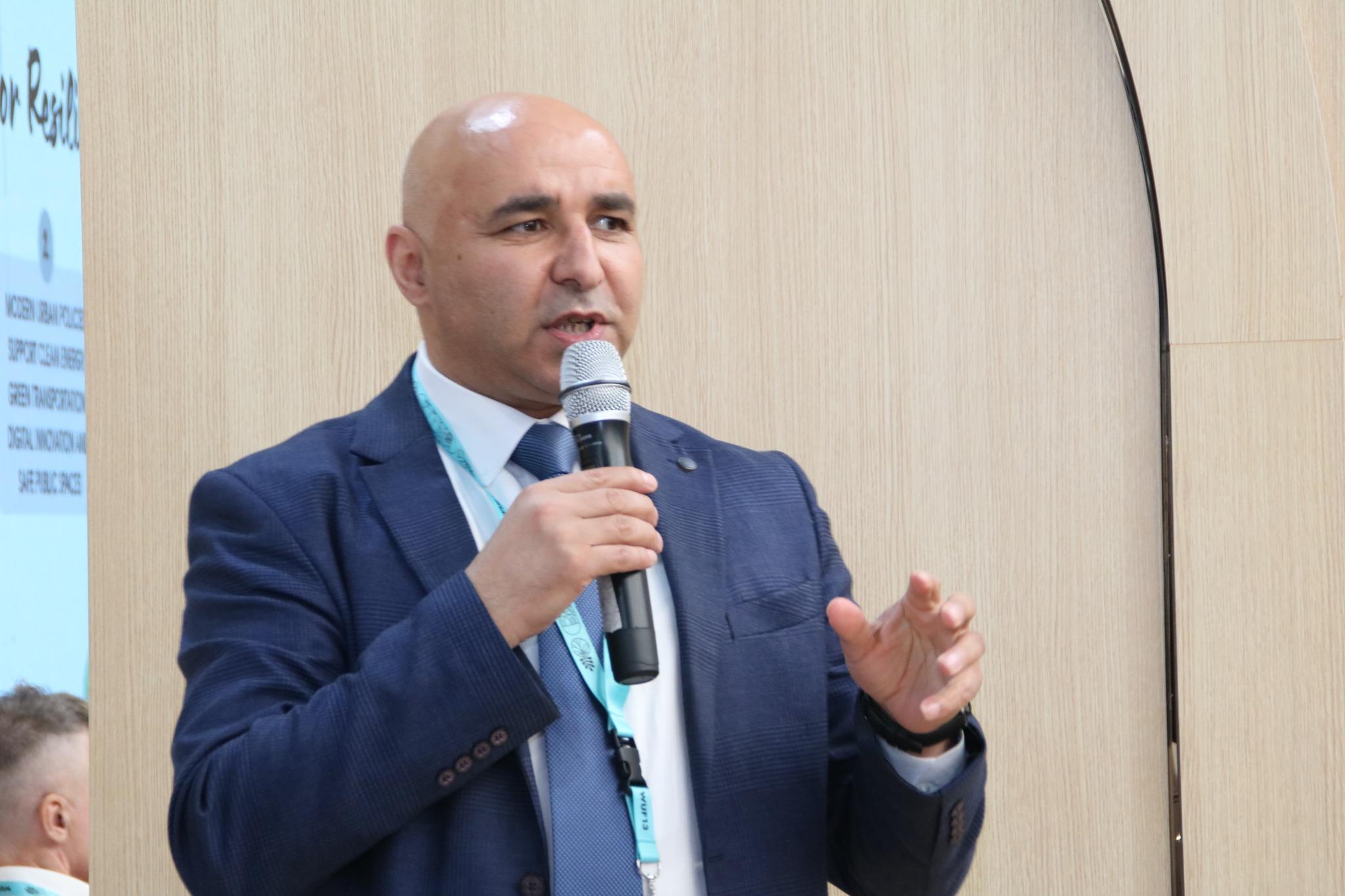 Zaur Ibrahimov, member of the Board of the Azerbaijan National NGO Forum, delivered a presentation on “Public Participation in Urban Planning: How Can Azerbaijan’s Experience Develop?” The expert spoke about the importance of public participation in urban planning processes. He stressed that involving civil society institutions in decision-making processes contributes to the formation of a more inclusive and sustainable urban environment.
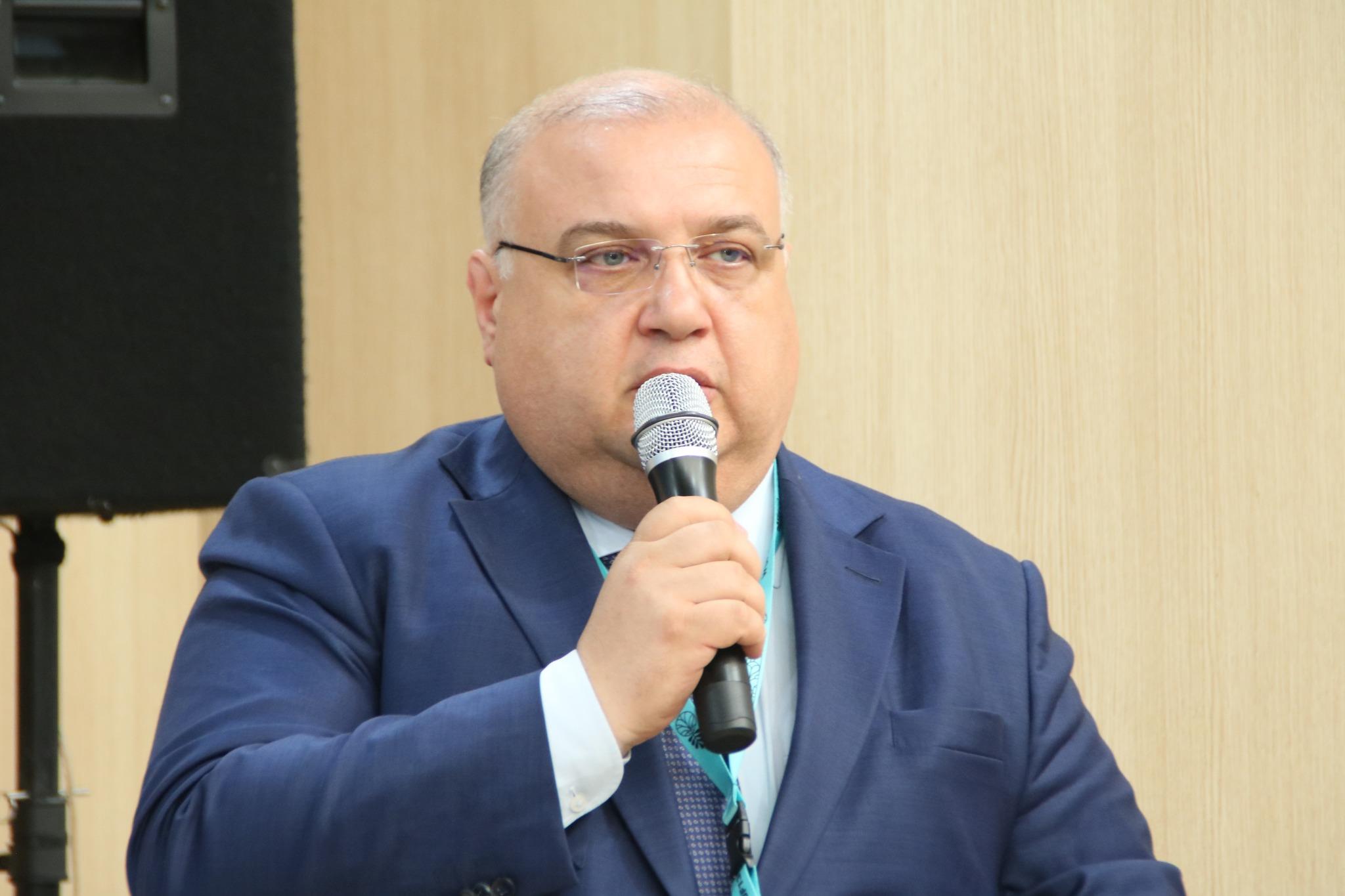 Ayyub Karimov, member of the Public Council under the Ministry of Finance and Chairman of the Public Union “Support for Economic and Social Research,” said that attracting investment to cities and effectively managing this process are important for ensuring financial sustainability in urban governance. He noted that international experience shows that significant financial resources are required for the management and development of cities.
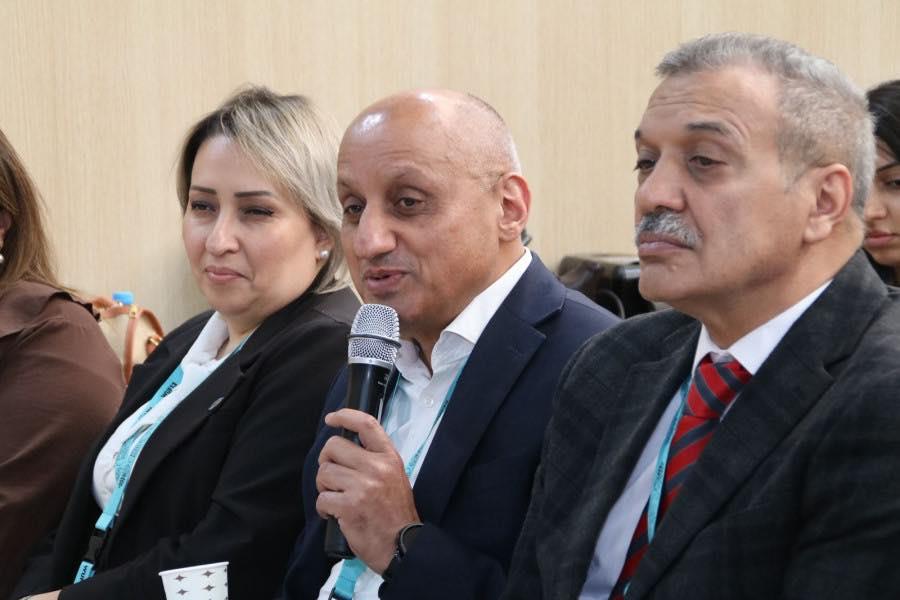 Alimammad Nuriyev, head of the “Constitution” Research Foundation, said that new urban development initiatives implemented in Karabakh and other regions are an important platform for bringing international experience to Azerbaijan and presenting local models to the world. He noted that Azerbaijan is currently implementing new urban development and resettlement initiatives in Karabakh, Shusha and other regions.
Within the framework of the event, participants exchanged views on urbanization, social inclusion, housing policy, safe urban infrastructure, public participation and green financing mechanisms, and discussed international experience and local approaches.